
Two fabric swatches can both be labeled “100% cotton” and still produce very different kids’ T-shirts. One might be a lightweight single jersey with edges that curl when cut. The other might be a fuller, more stable interlock knit. Some differences are hard to spot in a swatch but become obvious after the finished garment has been washed, especially in its shape and surface appearance.
Choosing the best fabrics for kids’ clothing starts with the finished garment: how it should look, how it should feel against the skin, how freely a child should be able to move, and how well it should hold up to washing. Fiber content is only the starting point. Knit or woven construction, fabric weight, finishing treatments, and the approved garment sample are what turn an initial fabric idea into a production decision.
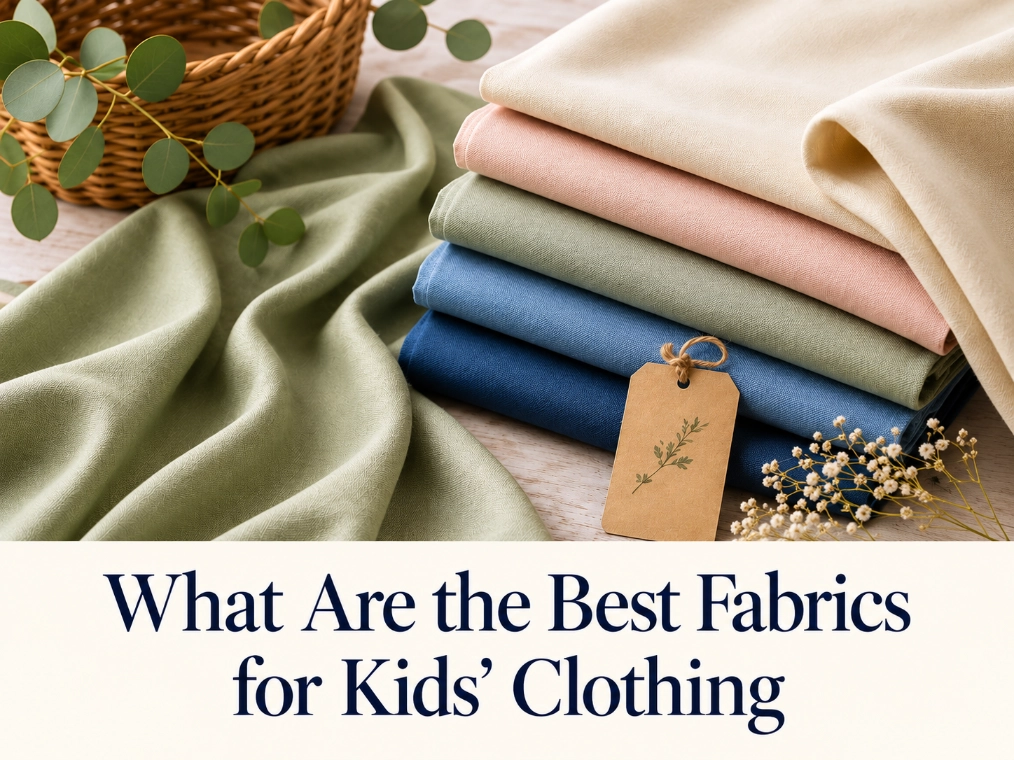
Best Fabrics for Kids’ Clothing: A Quick Comparison
For everyday baby clothes and T-shirts, cotton single jersey and interlock are useful starting points. Dresses, shirts, and shorts that need more shape may call for cotton wovens or cotton-linen blends. For sweatshirts, compare French terry with brushed fleece. For activewear and protective outer layers, consider polyester or nylon fabrics engineered for the intended use. Before approving a material for bulk production, make it into the actual garment and check how the sample performs after washing.
| Fabric or construction | Suitable products to consider | What to check in the sample |
|---|---|---|
| Cotton single jersey | T-shirts, casual tops, soft dresses | GSM, opacity, curling edges, garment twisting, and print hand feel |
| Cotton interlock | Babywear, next-to-skin basics, more substantial T-shirts | Seasonal suitability of the weight, stretch, recovery, and shrinkage after washing |
| Cotton poplin, lawn, or voile | Shirts and dresses requiring different levels of structure | Drape, opacity, whether lining is needed, and seam comfort |
| Cotton twill or lightweight denim | Shorts, trousers, overshirts, and jackets | Stiffness in smaller sizes, high-wear areas, and color transfer |
| Cotton-linen blends | Summer dresses, shirts, and sets | Texture, creasing, opacity, and appearance after washing |
| French terry or brushed sweatshirt fleece | Hoodies, sweatshirts, and joggers | Feel of the inner surface, warmth, pilling, rib recovery, and shrinkage |
| Performance-engineered polyester or nylon, sometimes with elastane/spandex | Activewear, swimwear, outer shells, and linings | Claimed performance, stretch recovery, skin-side feel, and care performance |
| Viscose, modal, or lyocell fabrics | Soft, drapey dresses and selected sets | Drape, wet-care performance, dimensional changes, and seam stability |
These are starting points for sampling, not fixed fabric recipes. French terry and fleece describe a fabric construction or finishing treatment, while cotton and polyester describe fibers. A fleece fabric can have several different fiber compositions, and a “cotton T-shirt” can be made from different knit constructions. Keep those details separate when preparing a fabric specification.
Start With the Garment Requirements, Not the Fabric Name
A kidswear manufacturer can make better fabric recommendations when they know what the material is meant to become. Before requesting swatches, brands should clarify the requirements that could change the material decision.
Age Group, Intended Use, Season, and Fit
Start with the target age group and how children will move in the garment. A close-fitting baby bodysuit needs a comfortable inner surface and enough room at the body and leg openings. A loose summer shirt calls for a different balance of drape and breathability. Leggings also need better recovery after repeated stretching than a relaxed-fit T-shirt.
Season matters, but “summer fabric” is still too vague. A lightweight woven may have the right look for a dress yet be too sheer without a lining. A heavier knit may feel substantial in the hand but become too warm for a spring style designed for indoor wear. The final decision depends on the pattern, fit, and how the garment will be layered.
Identify every part that touches the skin. If the shell fabric is lined, the lining and seams need just as much attention. For babies and younger children, labels, elastics, fasteners, and decorative details all affect comfort; the main fabric is only one part of the garment.
Care Requirements, Appearance, and Target Cost
Three practical questions can narrow the fabric choices before sampling:
- How will the garment be cared for? If an everyday school top requires delicate care, it may not fit the product’s positioning, even when the first sample looks excellent. Care instructions should reflect what the complete garment—including prints, trims, and lining—can withstand.
- What appearance does the design need? A crisp shirt and a gathered dress call for different fabrics. Dense embroidery can distort a lightweight knit, while a large print can change the feel of a soft jersey. If printing or embroidery is central to the design, make a decorated sample before approving the base fabric.
- What is the target garment cost? The price of a small swatch does not tell the whole story. Compare alternatives that serve the same purpose against appearance, testing needs, and care requirements. A cheaper fabric may raise the total garment cost if it needs a lining or loses its shape during the agreed wash testing.
Which Fabrics Should You Compare for Different Kids’ Clothing Products?
The quickest approach is often to narrow the options by product category. The recommendations below are intended to help you choose candidates for sampling—and understand what each choice needs to prove.
Babywear and Next-to-Skin Basics
When comparing fabrics for baby clothes, cotton single jersey and cotton interlock are common starting points for bodysuits, soft tops, and other next-to-skin styles. Single jersey can create a lighter garment and has natural crosswise stretch. Interlock generally has a fuller hand, a similar appearance on both sides, and more stable cut edges. CottonWorks’ guide to single and double knits describes interlock as a stable construction that can be used for baby garments when suitable yarns are selected.
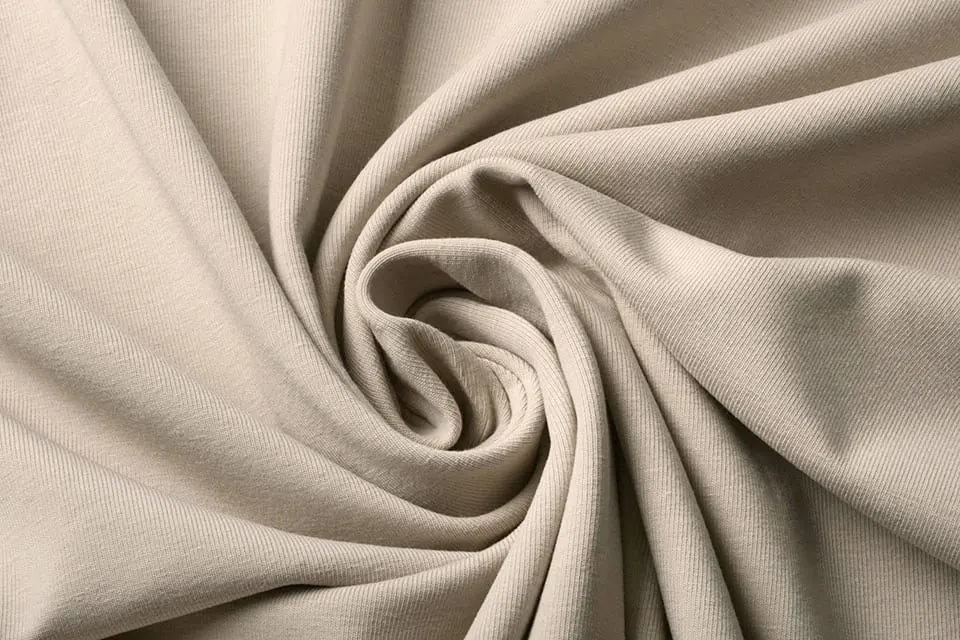
A construction name is no substitute for reviewing a finished sample. After washing, feel the inside of the garment. Check whether the neckline allows easy dressing, whether elastics at the leg or sleeve openings create hard edges, and whether seam and label positions suit the intended age group. A flat swatch that feels soft may be much less comfortable once snaps or embroidery backing have been added.
Kids’ T-Shirts
When choosing fabric for kids’ T-shirts, start by comparing single jerseys in different weights that suit the design. If the brand wants a fuller, more stable body, add interlock to the comparison. If a smooth fabric surface is important, compare yarn options such as combed cotton in actual samples. Where fit depends on stretch recovery, cotton blends or a small amount of elastane may be worth evaluating. Let the sampling results determine the final composition.
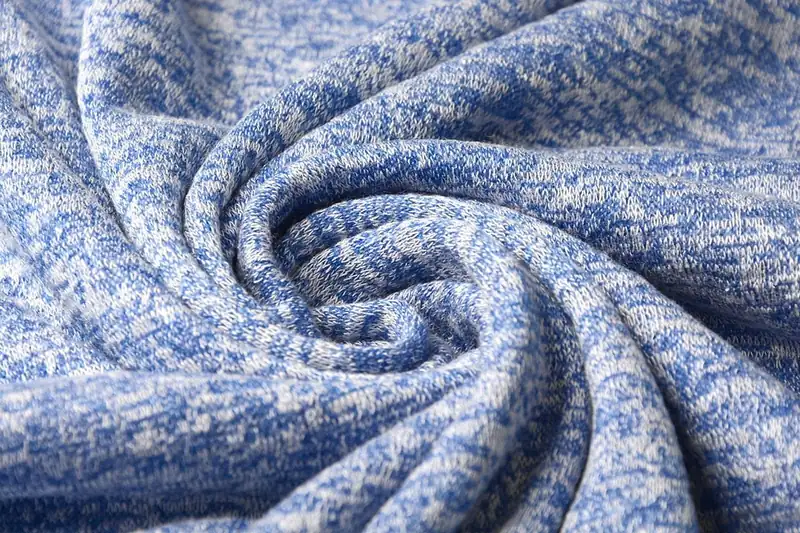
After washing the complete T-shirt, check:
- Whether the side seams remain straight and the neckline recovers its shape.
- Whether a light-colored fabric provides enough coverage in the finished garment.
- Whether a large print makes the fabric feel noticeably stiffer. Approve a print strike-off on the chosen fabric and color, or review a fully printed sample; a plain, unprinted T-shirt is not enough.
Brands developing printed collections can also explore Shimmerella’s custom kids’ T-shirt manufacturing service when defining styles, fit, graphics, and labeling requirements.
White T-Shirts: Why Can a Soft Fabric Still Look Too Thin?
White T-shirts are easy to misjudge at the swatch stage. Fold a piece of single jersey in your hand and it may feel smooth and substantial. Cut and sew that same fabric into a full garment, however, and insufficient coverage can become noticeable across the chest and sides. Add a large printed graphic, and the chest panel may suddenly feel very different from the unprinted fabric. Lightness and comfort have become two separate problems to solve.
For this type of style, we start by keeping the pattern unchanged and comparing white jerseys with similar constructions but different weights. We examine the finished samples under the same lighting to judge opacity. We also make separate print strike-offs, repeatedly bending and handling the printed area before checking its surface and hand feel after the agreed care process. Simply increasing GSM is not always the answer: a heavier fabric can also take away the airy feel that makes a summer T-shirt comfortable.
Our fabric-selection takeaway: A white T-shirt should be approved in its actual color, with its actual print, and after reviewing the washed garment. A swatch that feels good is only the first checkpoint.
Dresses, Shirts, Shorts, and Trousers
When choosing fabric for kids’ dresses and everyday separates, cotton woven fabrics offer several distinct options. Poplin gives shirts and some dresses a clean, defined shape. Lawn and voile are lighter and can work well for soft gathers or summer silhouettes, but opacity and lining requirements need to be checked. Twill provides more structure and can be used for shorts, trousers, overshirts, and certain jackets. Pay particular attention to the smallest sizes: a fabric that feels appropriate in adult trousers can be too stiff or bulky around a young child’s waist or knees.
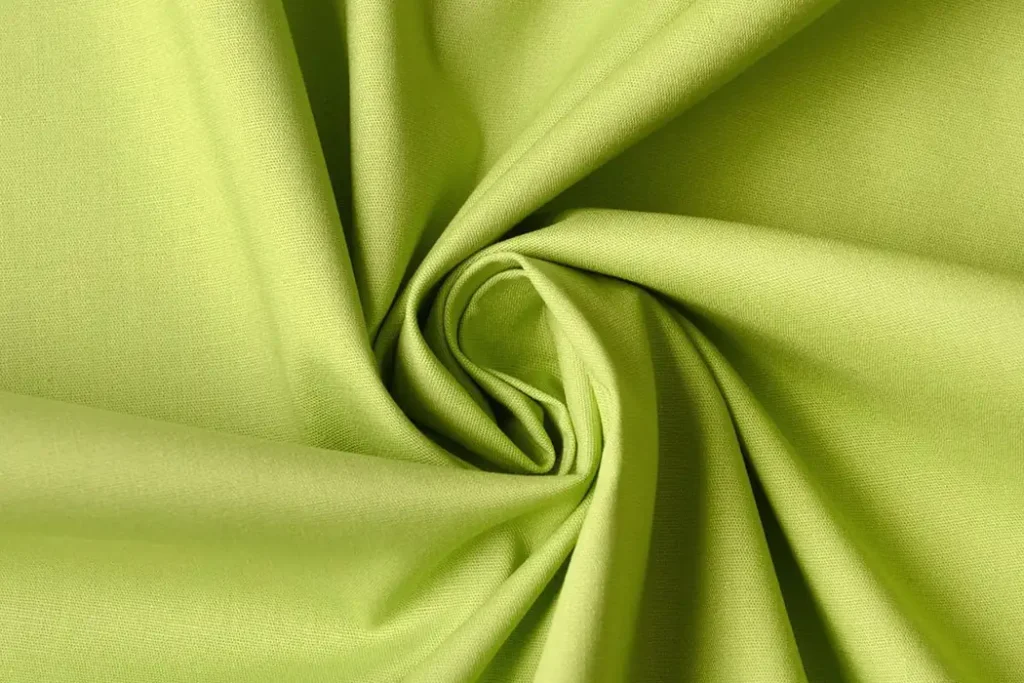
Cotton-linen blends can provide the texture and drape a brand wants for summer sets, with natural creasing forming part of the finished look. Wash and press the sample according to the intended care instructions, then assess its appearance.
Viscose, modal, and lyocell fabrics can be considered for dresses with a more fluid drape, but fiber content alone does not predict wash stability or seam performance. Those characteristics must be tested on the intended pattern and fabric.
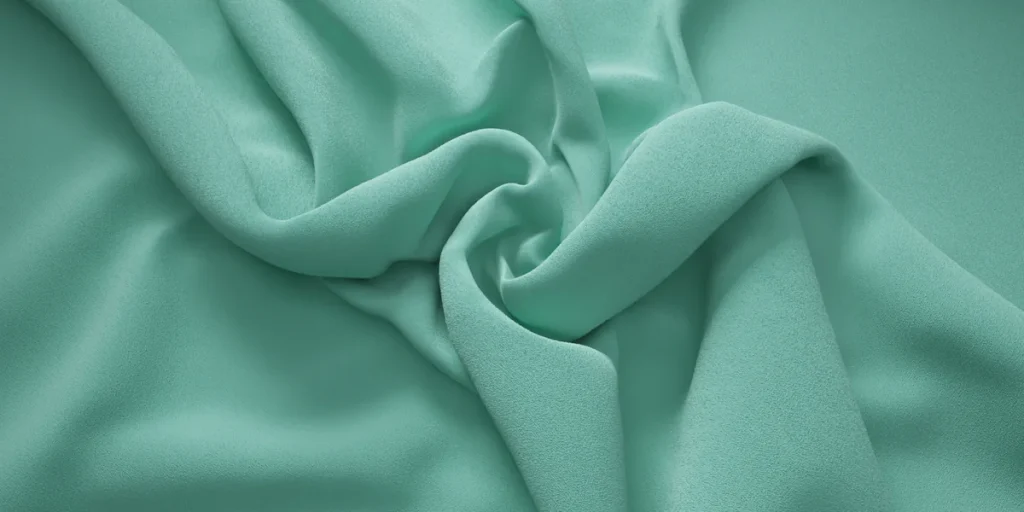
For dark twills or denim, assess color transfer during rubbing and washing, particularly when the garment may come into contact with a pale lining or other light-colored clothes. Kids’ jackets are a good example of a product where the shell, lining, front fastenings, and cuffs must be evaluated together.
Sequin Dresses: Fix the Bodice Without Making the Whole Dress Heavier
With a girls’ sequin party dress, fabric problems often appear only after the embroidery is finished. A lightweight base fabric may drape beautifully on its own, but once dense sequins are stitched onto the bodice, the stitches and added weight change how that area behaves. From the front, the result might be a small diagonal wrinkle. Turn the bodice inside out, and there is another question: could the embroidery backing, thread ends, or seams irritate the child’s skin?
We focus first on the decorated area rather than immediately replacing the fabric throughout the dress. That means checking sequin placement and stitch density, then comparing suitable embroidery backings and localized support. After any construction changes, we return to the complete garment—especially the smaller sizes—to assess whether the bodice pulls when the wearer raises her arms, sits, or turns. Sequin attachment strength, other decorative components, and applicable safety requirements must also be checked separately.
Our fabric-selection takeaway: The skirt needs to stay light and fluid, while the bodice needs enough stability to support the decoration. Making every part thicker might reduce local puckering but ruin the silhouette. For more on developing heavily embellished styles, see Shimmerella’s custom kids’ dress manufacturing service.
Hoodies, Sweatshirts, and Joggers
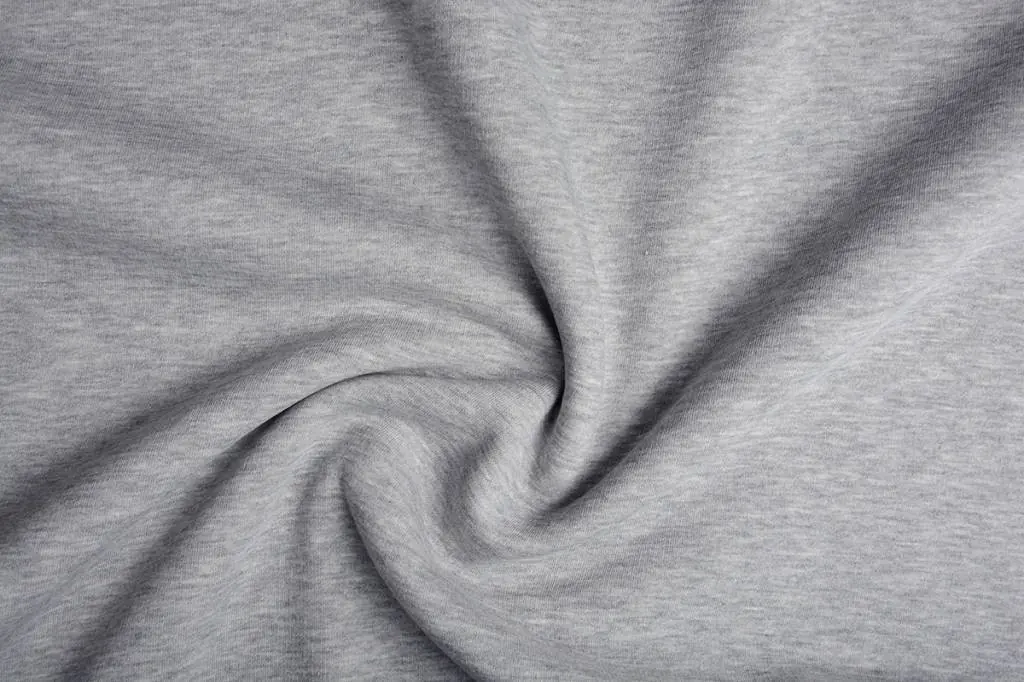
When comparing fabrics for kids’ hoodies and sweatshirts, start with their construction. French terry has loops or floats on the reverse and comes in a range of weights. Brushing or raising the inner surface creates a fleece-like finish. CottonWorks explains these knit constructions, which is more useful than assuming all fabrics described as “fleece” will feel or perform the same way.
For a lighter sweatshirt layer, French terry may be a good starting point. For a warmer style with a softer inner surface, evaluate brushed sweatshirt fabrics. Always verify the actual fiber composition and weight. On the finished sample, check for pilling at the underarms and inner thighs, loose fibers on the brushed surface, rib recovery at the cuffs, and any differences in dimensional change between the body and sleeves after washing.
Fall Sweatshirts: Softer Fleece Is Not Always the Better Choice
Brushed fleece often wins the first hand-feel comparison. It feels softer and warmer than an unbrushed fabric. But once it becomes a sweatshirt, the questions change. Is the hood too bulky? Does the fabric restrict movement under the arms? Do the rib cuffs spring back after being stretched? These details affect how easily children put the garment on, move around, and layer it throughout the day. You cannot judge them from a loose swatch alone.
We compare French terry and brushed sweatshirt fabric using the same pattern, assessing the hood lining, cuffs, and hem ribbing at the same time. We then review fiber shedding on the inner surface, the tendency to pill in high-friction areas, and changes in body and sleeve length after the planned care process. Fiber content, knit construction, GSM, and brushing finish all go into the specification—rather than letting the word “fleece-lined” stand in for those details.
Our fabric-selection takeaway: A sweatshirt designed for changing seasons, indoor activities, and everyday layering does not need to be the thickest option. A warmer style should not be selected on the fleece’s initial softness alone, either.
Activewear and Jackets
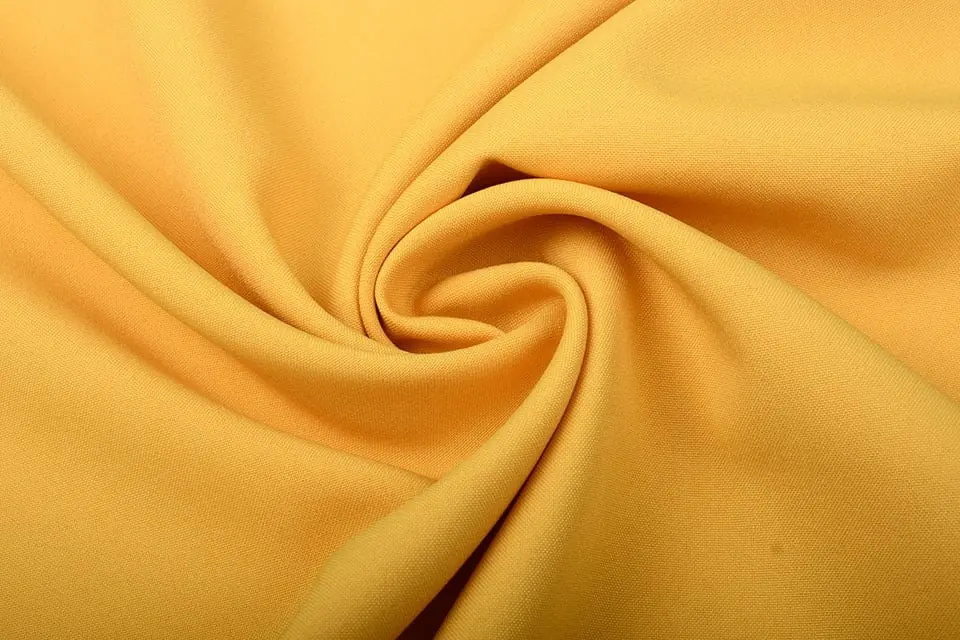
When choosing fabrics for kids’ activewear, polyester and nylon knits engineered for specific performance requirements can be starting points for tops, leggings, or swimwear. Outerwear may require woven synthetic shells and clearly defined water-resistance treatments. None of those properties is guaranteed simply because a label names a particular fiber. Stretch, drying speed, air permeability, and rain protection also depend on construction and finishing.
Test the material in the complete design, with checks matched to the product:
- Stretch garments: Check recovery at the knees, elbows, and waistband.
- Printed active tops: Examine the print after the fabric has been stretched.
- Jackets: Assess the shell, lining, cuffs, and fastenings together.
If the product brief includes a performance claim, agree on the relevant testing method and target before using that claim in product copy.
Kids’ Leggings: Opaque While Standing, Sheer When Kneeling
One of the easiest mistakes with activewear fabric is judging it only while it lies flat. The material may look substantial and feel stretchy when pulled by hand. But once it is made into leggings, bending the knees or squatting stretches the knit and may reveal a lack of coverage. Whether the waistband slips during movement also needs to be checked at this stage—not just when the garment is hanging on a rack.
When reviewing this problem, we do not automatically increase the spandex content. We look separately at knit density, stretch and recovery in both directions, ease in the leg pattern, and waistband construction. The same fabric needs to be assessed in the target sizes while standing, bending, and squatting. After washing, we check whether the knees and waistband return to their intended shape. Fabric and pattern may need to change together; switching to a material described as “stretchier” rarely explains the whole issue.
Our fabric-selection takeaway: Activewear fabrics need to be evaluated in motion. Children’s comfort often depends on how well the material, construction, and fit work together. Learn more through Shimmerella’s custom kids’ sportswear manufacturing service.
Kids’ Sleepwear
Cotton single jersey and interlock may look suitable when selecting fabrics for children’s sleepwear, but choosing a candidate is only the beginning of development. Children’s sleepwear sold in the United States is subject to product-specific flammability requirements. Which rules apply depends on the garment’s size and whether it meets definitions such as infant garments or tight-fitting sleepwear. The U.S. Consumer Product Safety Commission’s guidance on the Flammable Fabrics Act explains the distinction between children’s sleepwear rules and general apparel requirements.
Confirm early in development whether the style will be sold as sleepwear, including how it will be described and marketed. Before approving the material, review the actual garment’s design, applicable tests, documentation, and labeling. A comfortable cotton swatch does not establish that the finished sleepwear meets applicable requirements.
Why Fiber Content Alone Does Not Tell the Whole Story
“100% cotton” describes fiber content. It does not tell you whether the fabric is knitted or woven, how much it weighs, which finishing treatments it has received, or how it will change during care. Those details often determine whether two fabrics are suitable for the same children’s garment.
Knit vs. Woven Fabric for Kids’ Clothing
Knitted fabrics are formed from loops, giving them some inherent stretch even without spandex. Single jersey may curl at the cut edges; interlock is generally more stable. Woven fabrics are made from interlaced yarns and often produce a more defined shape, unless the fabric or pattern has been specifically engineered to allow stretch and movement. That is why a pattern designed for a jersey T-shirt cannot simply be cut from poplin without reconsidering fit and dressing openings.
Construction affects sewing and finishing, too. A lightweight knit neckline may need careful stretch control, while a loosely woven fabric may require extra attention to seam allowances and edge finishing. Judge those decisions on the finished garment, not only on fabric spread across a table.
GSM, Finishing, and Blends
For kidswear, fabric weight is commonly expressed in grams per square meter (GSM). There is no single ideal GSM for all children’s clothing. A weight suited to a sweatshirt may make a summer T-shirt too heavy. Even at the same GSM, two fabrics can differ in thickness, stretch, and drape.
Brushing, washing, coating, and softening treatments can all affect the surface feel and care performance. A blend is useful when it solves a specific problem, such as recovery or drying time. Define the purpose of the blend first, then test whether it delivers. Terms such as “premium cotton,” “breathable blend,” and “performance fabric” are descriptions—not substitutes for clear specifications and verification on the material and finished garment.
What Should Brands Test Before Approving Bulk Production?
When a brand explains what the finished garment must achieve, a manufacturer can offer meaningful fabric alternatives. The process below creates a traceable path from the first swatch to the approved pre-production reference sample.
Step 1: Record the Fabric Specifications
A fabric specification for children’s clothing should record fiber percentages, knit or woven construction, target GSM and tolerance, color reference, finishing treatment, intended care, and garment use. If the fit depends on elasticity, specify stretch direction and recovery requirements as well. Prints, embroidery, linings, and contrast panels belong in the specification. A purchase order that says only “soft cotton fabric” may allow two very different materials to be treated as acceptable.
Kids’ T-shirt sampling brief template:
Product: Kids’ crew-neck T-shirt; size range: [insert]. Main fabric: [fiber content and percentages], [single jersey or interlock], [target GSM and tolerance]. Color reference: [insert]. Finishing: [insert]. Decoration: [method and placement]. Intended care: [insert]. Please supply fabric swatches and a decorated garment sample, together with wash, colorfastness, and appearance checks as agreed. Confirm all acceptance criteria before bulk production.
Every field should contain a target appropriate to that particular project. Applying one universal pass/fail number to all kids’ T-shirts can be misleading.
Step 2: Make the Candidate Fabrics Into the Actual Style
During kidswear fabric sampling, use swatches to narrow the options, then sew the selected fabrics into the intended pattern. If weight, stretch, or proportions may affect the result, check both the smallest and largest planned production sizes. Review the material together with the proposed printing, embroidery, lining, and trims. Two fabrics can look almost identical laid flat but behave very differently at a neckline, waistband, or gathered seam once sewn.
Record why a candidate was rejected. “Too sheer in the light color” or “cuff does not recover after washing” is far more useful for the next sampling round than “poor fabric.”
Step 3: Review the Garment After Washing
Measure and photograph the sample before and after the agreed wash and drying procedure. Then review:
- Garment length and width, including any uneven dimensional changes.
- Side-seam twisting and changes in fit or shape.
- Color change, pilling, and surface feel.
- Prints, embroidery, trims, and other decorative details.
Depending on the product, add stretch-recovery, abrasion, or functional-performance testing. Home laundering can help with early screening; for documented test results, use laboratory methods agreed on by both parties.
When developing a formal testing plan, AATCC TM135 measures dimensional changes in fabrics after home laundering, while AATCC TM150 addresses dimensional changes in garments. AATCC TM8 assesses color transfer by rubbing. ISO 12945-2:2020 covers the modified Martindale method for evaluating pilling, fuzzing, or matting. Before testing, confirm that the method is suitable for the material—especially stretch garments—and agree on the procedure and acceptance limits. Naming a test method alone does not establish what result counts as a pass.
Step 4: Approve the Pre-Production Reference Sample
Once the brand accepts the sample, keep the approved garment, fabric specification, color reference, artwork, care instructions, and testing requirements together in one sign-off record. Document changes made after the first sample. If a different fabric lot or supplier is proposed later, compare it with the approved reference before treating it as interchangeable.
The reference sample gives production and quality-control teams a shared definition of what the brand approved. Finished goods can then be checked against the same standard, rather than relying on a vague description buried in an early email.
What Do Fabric Labels and Certifications Actually Prove?
Material claims require separate verification. A fabric’s hand feel cannot prove its fiber content, and a certificate held by one party in the supply chain does not automatically cover the finished garment.
Fiber Names and “Bamboo” Fabric Claims
Most textile products sold in the United States must disclose fiber content, country of origin, and the responsible business. Applicable apparel products also need care instructions. For wording and responsibilities, see the Federal Trade Commission’s apparel-labeling guidance.
Be especially careful with fabric marketed as “bamboo.” As the FTC explains, when the textile fiber is rayon or viscose made using bamboo as a plant source, it should be identified accordingly as rayon or viscose made from bamboo. Simply calling that material “bamboo fiber” can misrepresent its identity. Obtain accurate composition information before preparing labels or product descriptions.
GOTS vs. OEKO-TEX: What Each Certification Covers
When evaluating certified fabrics for children’s clothing, distinguish what each scheme verifies. GOTS addresses certification requirements for organic textile processing and supply-chain traceability. OEKO-TEX STANDARD 100 tests textiles and components for specified harmful substances, with product classes based on their intended use. Product Class I applies to products for babies and children up to three years old. The two systems answer different questions. Neither label, on its own, proves that a garment fits well, feels comfortable, or delivers a particular performance feature.
Before making a certification claim, verify:
- The certificate number and certificate holder.
- Its validity dates and the standard version applicable to that certificate.
- Which products, components, and production stages are covered.
- Whether the scope applies to the specific material or finished garment in the order.
If a fabric mill provides a certificate for the fabric alone, confirm that the finished garment and its trims fall within the applicable scope before describing the entire item as certified. The GOTS standards library sets out requirements across multiple stages of textile production; check which version applies during the transition to GOTS 8.0.
Requirements for Specific Products Sold in the U.S.
Include the destination market and product category in the development brief. U.S. children’s sleepwear is a clear example: the CPSC applies different flammability requirements depending on whether a qualifying product is an infant garment, tight-fitting sleepwear, or other sleepwear. General clothing requirements may also apply as relevant. Review the rules against the final garment’s design, sizing, marketing description, and construction.
Compliance cannot be reduced to one row in a “best fabric” comparison chart. No material listed above automatically makes an order compliant or replaces product-specific testing and documentation.
Common Fabric-Selection Mistakes to Avoid
Buying by fiber name alone. Two materials described as “cotton” can behave very differently. Request a specific fabric reference and confirm its construction, GSM, and finishing.
Approving only an untreated swatch. Make the candidate material into the intended garment, then review it under the planned care conditions.
Ignoring decoration and other components. Large prints, embroidery backing, stiff linings, or narrow elastics can affect comfort more than small differences between two shell fabrics.
Assuming heavier means better. Match fabric weight to the season, size range, and desired drape. Higher GSM adds value only when that extra weight supports the product.
Relying on a certification logo alone. Check exactly what the certificate covers, who holds it, and whether it applies to the planned material or finished garment.
Failing to lock the production specification after sample approval. Attach the final material details and approved sample to the order so later fabric substitutions can be identified and reviewed.
Frequently Asked Questions
Is Cotton Always the Best Fabric for Kids’ Clothing?
Cotton is a sensible starting point for many everyday styles, but the best choice depends on the garment. A structured twill may be more suitable than soft jersey for trousers. A synthetic fabric engineered for a specific function may be more appropriate for swimwear or protective outerwear. Compare materials against the intended use and evaluate them as finished samples.
Is Polyester Suitable for Kids’ Activewear?
Yes. Polyester fabrics can be engineered for stretch, moisture management, and quick drying, but the fiber label alone does not guarantee those properties. Test the specific material in the final design, including prints, lining, and care conditions.
What GSM Should I Choose for Children’s Clothing?
Start with the product, age group, season, and fit. Then choose a few candidate weights and compare them in sewn samples. Babywear, T-shirts, and sweatshirts do not share one universal GSM target because they have different construction and comfort requirements.
If the Fabric Is Certified, Is the Finished Garment Certified Too?
Not automatically. Check the certification scheme, certificate holder, covered scope, validity period, and which components and production stages are included. Claims about the fabric or finished garment should go no further than the supporting documentation allows.
Discuss Your Fabric and Product Requirements With Shimmerella
If you’re developing a custom kidswear collection and comparing fabrics, share your product category, target age group and size range, reference images or tech pack, expected order quantity, destination market, and any unresolved material questions with Shimmerella. You can start with a custom kids’ T-shirt or kids’ jacket concept, then contact our team to discuss material options and sample evaluation for your project.